
Back to: HIV Stigma Workshop Kit
Peers and other frontline workers are often the first point of contact for people seeking harm reduction and therefore are in the best position to connect with and ‘reach’ people who want/need harm reduction services. Leadership is a collaborative effort.
Why it matters – Peers and other harm reduction workers’ potential for leadership in reducing stigma can guide individuals toward better HIV and overall health outcomes.
How to do it
Leadership is about guiding oneself and others to shared goals like reducing harms of HIV and stigma. Exploring frontline stigma reduction leadership can contain these elements:
GOALS
Stigma reduction and other harm reduction related goals are things to strive to achieve that protect or improve the health and wellbeing of community members. Goals can be measurable, observable, and/or experiential.
CLICK here to see some examples of goals:
- Experience authentic change in your own stigma reduction journey by feeling more knowledgeable or confident in helping reduce stigma.
- Witness change in a community member’s stigma journey by hearing their experiences over time.
- Witness attitudes about HIV become more open-minded, normalized, and accepting.
- Witness more frequent conversations and dialogue occurring within services.
- Host an HIV stigma reduction workshops and measure the change in knowledge among participants before and after.
QUALITIES AND ATTITUDE
Effective personal qualities and attitude are key to frontline stigma reduction leadership. How a person shows up in their role often determines whether people feel respected, included, and safe. Attitude is about how personal qualities influence a person’s perspective and approach towards reducing stigma and providing harm reduction care. In other words, personal qualities shape attitude. Showing up and demonstrating personal qualities is what the world will perceive as a person’s attitude.
CLICK here to see some examples of qualities:
- Caring
- Empathetic
- Fair and objective
- Open-minded
- Consistent
- Communicative
- Accountable
KNOWLEDGE
Stigma reduction and other types of harm reduction knowledge are important because they equip people with useful and relevant information to apply to providing effective care. It’s about engaging HIV and stigma information and moving along the path of learning and practice.
CLICK here to see some examples of knowledge that equips stigma reduction leaders:
- The essentials of stigma and how to reduce stigma
- HIV and other STBBIs
- How to provide fair and equitable care
- Safer drug use practices
- How to provide culturally safer care
- How to communicate effectively
- Other roles and jobs in the zone of harm reduction care
KEY PRACTICES
Practices are about putting attitude, personal qualities, and knowledge into action to achieve stigma reduction and other harm reduction related goals.
CLICK here to see some examples of key practices of stigma reduction leaders:
- Model non-stigmatizing behavior
- Deliver fair and consistent care
- Model ways to reduce stigma
- Create safe, welcoming environments
- Demonstrate inclusivity in the zone of harm reduction care
- Foster effective collaboration with other roles in the zone
- Continually learn & practice, and nurture that of others
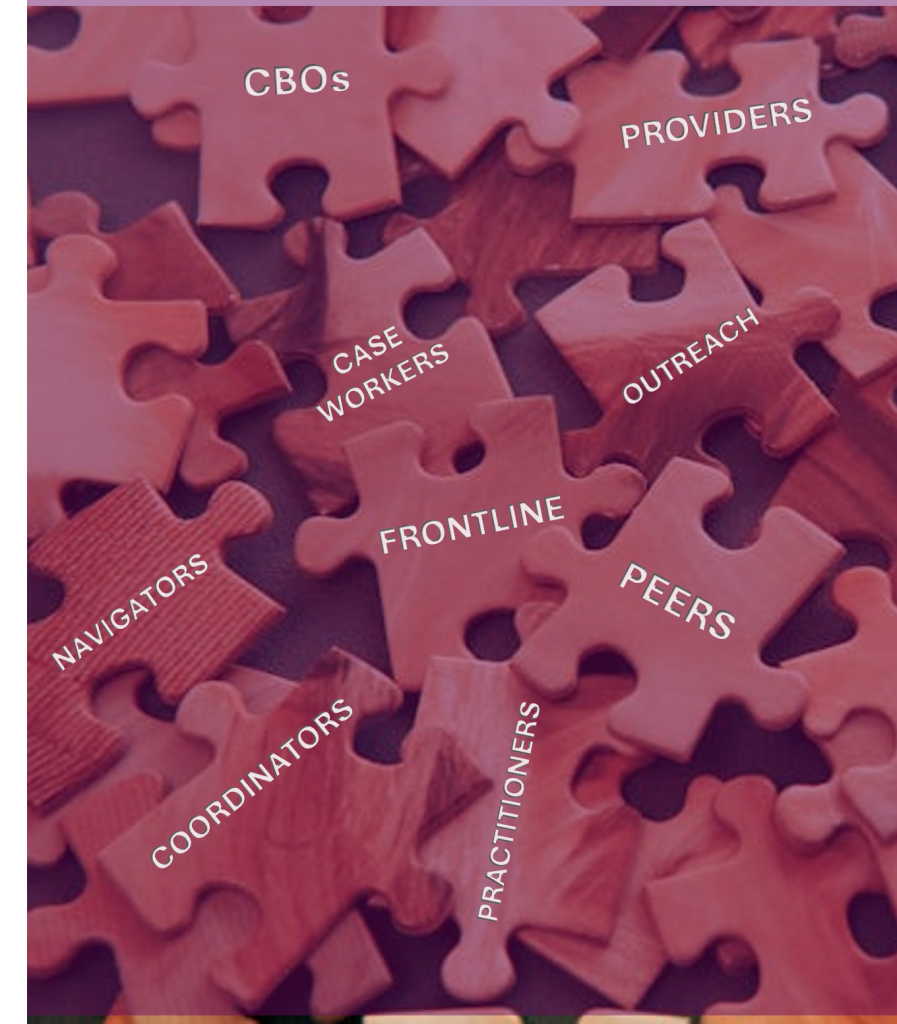
Leadership in harm reduction is not about one person at the top; it is collaborative. It is shared between various roles & jobs, and each playing a part in reducing stigma. All together work in the zone of harm reduction care where inclusion and equity are practiced.
EXPLORE MORE
Positive Leadership Development Institute (PLDI) – For PLHIV, by PLHIV Leadership Program
Explorations in Leadership (PAN) – Self-paced online leadership development program with PWLLE of hepatitis C, supporters, allies, and intersecting PWLLE