
Back to: HIV Stigma Workshop Kit
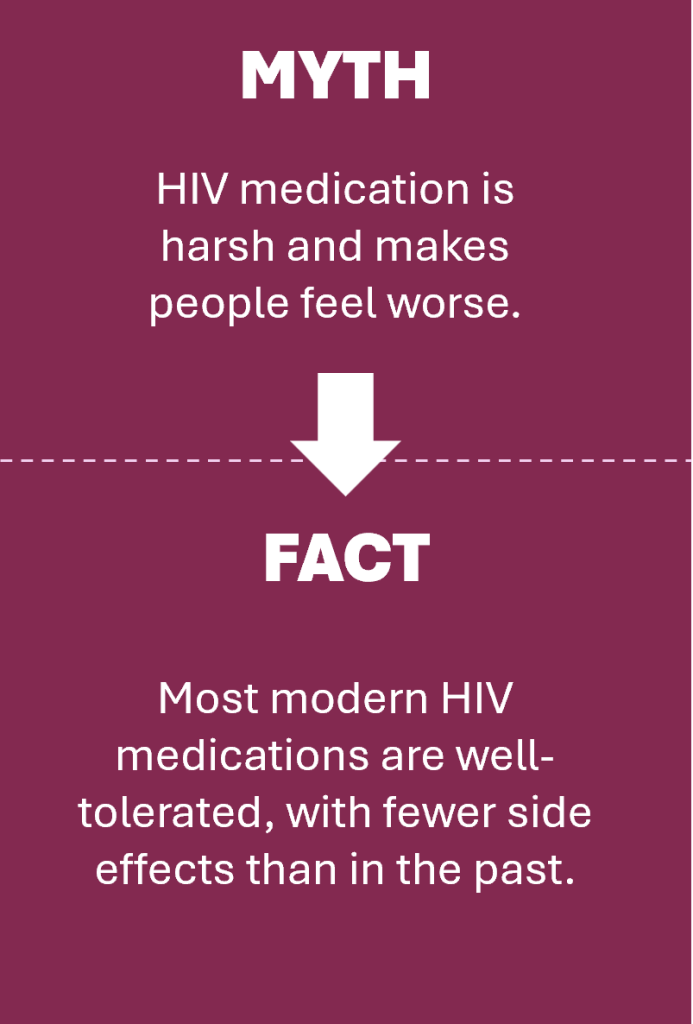
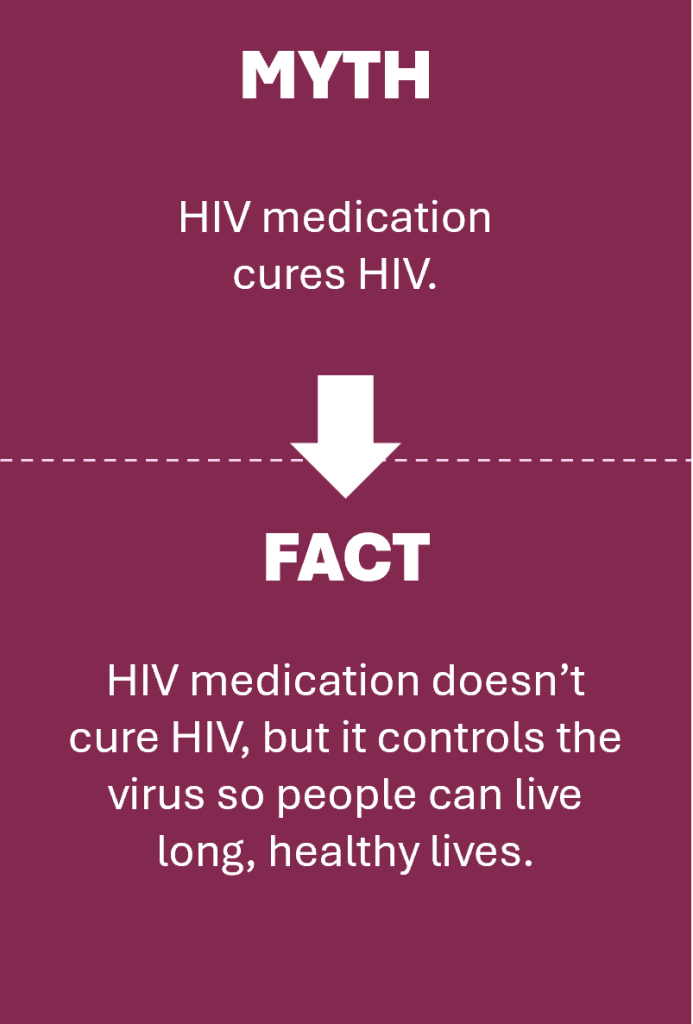
HIV treatment uses antiretroviral medications, sometimes referred to as ARTs, to lower the amount of virus in the body, protect the immune system, and keep people healthy. Effective treatment can reduce HIV to undetectable levels, which means it cannot be passed to others (U=U).
After starting HIV treatment, it takes time for the viral load to drop to undetectable levels; often within a few months. How quickly this happens can depend on the person’s starting viral load, how regularly medication is taken, and their general health.
The main steps in a person actually getting HIV medication involves the BC Centre for Excellence:
- Diagnosis + prescriber
- Any licensed BC physician can prescribe
- Often primary care, HIV specialist, or outreach provider
- Enrolment in BC Centre for Excellence’s Drug Treatment Program (DTP)
- Requires HIV diagnosis
- Requires Medical Services Plan (MSP)
- The prescriber submits an enrolment form and prescription request
- Central review (key BC feature)
- BC-CfE physician reviews regimen
- Ensures aligment with guidelines
- Approval typically within 1-2 business days
- Dispensing
- Medications are free of charge under PharmaCare Plan X
- Dispensed through designated pharmacies (not most retail pharmacies)
- Ongoing care
- Regular blood tests for monitoring of medication effectiveness
- Regimen adjustments require new approal
How do physicians in BC choose an HIV/ART treatment plan? Treatment is individualized, but must align with provincial guidelines and be approved. Click the arrow below to read more about the guidelines:
CLICK HERE to reveal Therapeutic Guidelines for Antiretroviral (ARV) Treatment of Adult HIV Infection
Clinical factors
- Viral load (how high at baseline)
- CD4 count (immune status)
- Drug resistance (if known or suspected)
Medication factors
- Side effects / tolerability
- Drug–drug interactions
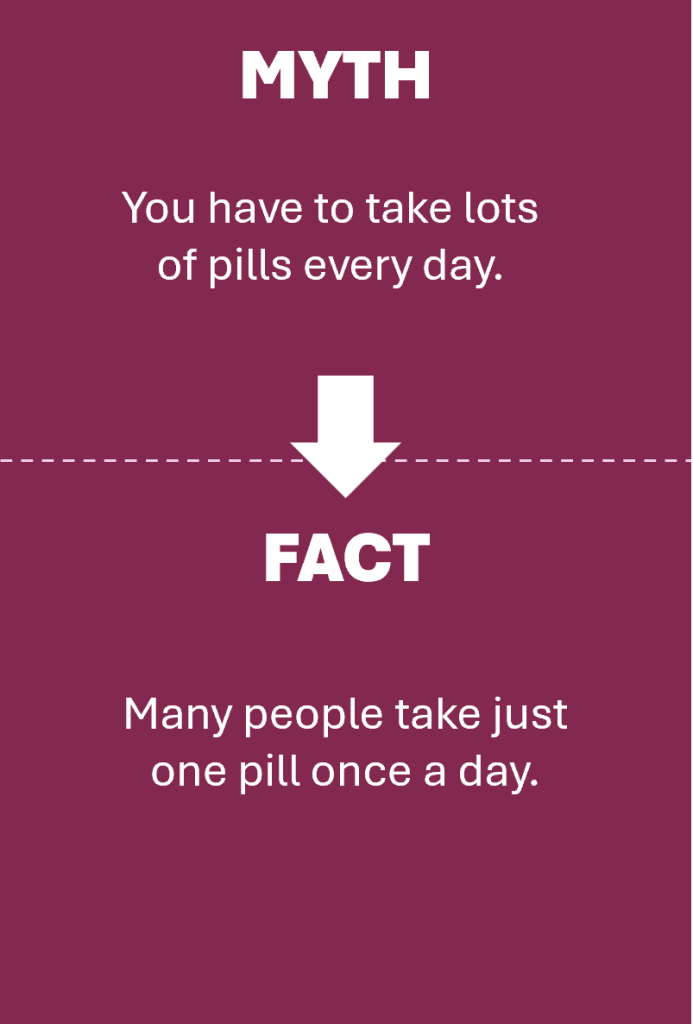
- Simplicity (e.g., single-tablet regimens)
Person-centred factors
- Ability to take medication consistently
- Daily routine / stability
- Preferences (pill burden, dosing time)

In BC, HIV medications are free and centrally managed through the BC Centre for Excellence, which reviews and approves treatment to ensure consistency and quality. However, in smaller urban, rural, and remote communities, access can still be affected by fewer experienced providers, pharmacy limitations, travel distance, and confidentiality concerns.

CLICK HERE to reveal a list of considerations for people who use drugs
Drug use itself – does NOT make medication inadvisable, in fact, it is a prevention strategy (U=U) often prioritized
Adherence patterns – daily doses may be more challenging during instability or withdrawal cycles.
Drug interactions – with opioids, stimulants, methadone, or prescribed safer supply
Side effects – medication regimens that are better tolerated are prioritized
Housing or shelter – medication storage, timing, and continuity are important
EXPLORE MORE
Treatment and medical care (CATIE) – A library of information resources with books, research summaries, and facts sheets
BC Centre for Excellence in HIV/AIDS — Healthcare Resources (BCCfE)
HIV Medication Information Sheets (BCCfE)
Antiretroviral Medication Coverage in Canada – (PHAC)
HIV treatment and an undetectable viral load to prevent HIV transmission (CATIE)
Your Guide to HIV Treatment (CATIE)
What Questions Are Important to Ask Your Doctor? (H-I-V.Net)