
Back to: HIV Stigma Workshop Kit
Ongoing HIV care includes regular medical check-ups, lab monitoring, and support for overall health and wellbeing. Staying engaged in care and taking medication as prescribed (adherence) helps treatment remain effective and supports long-term health.
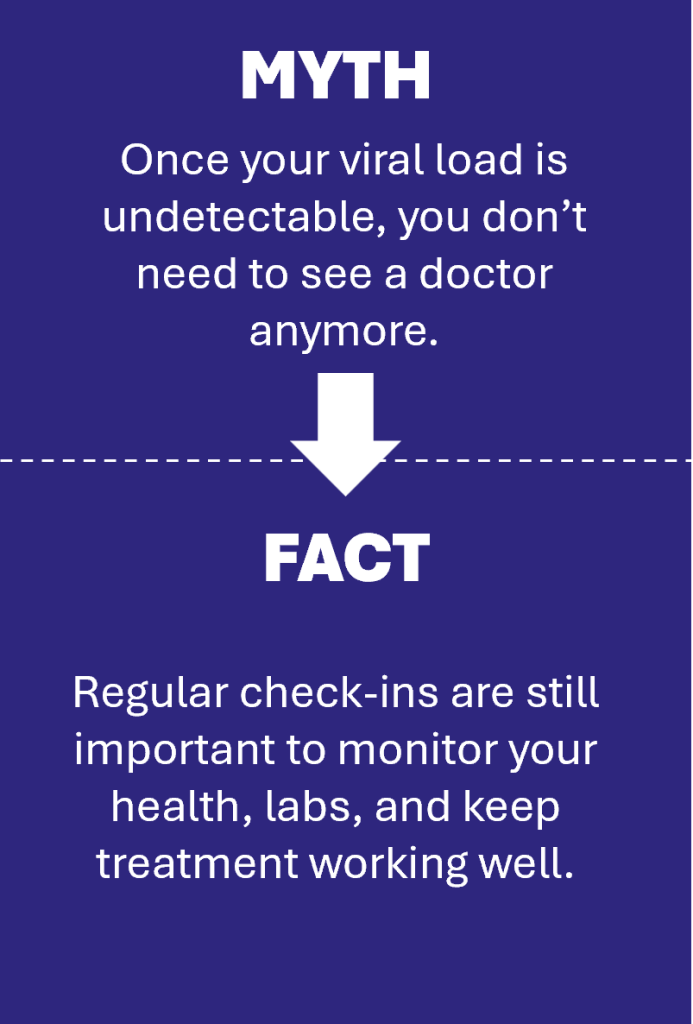
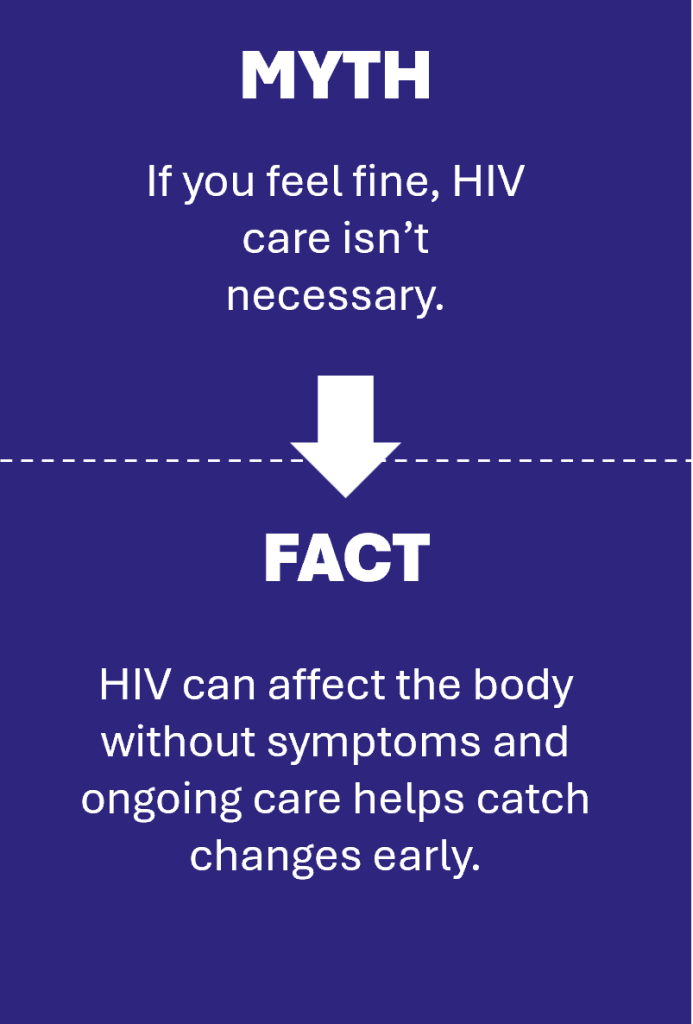

Beyond adherence to HIV medication and regular check-ups and health monitoring, there are other important aspects of ongoing care. Notably, social health as ongoing care. In 2025, PAN started a research study about treatment adherence, social isolation, and engagement focusing on BC SURR communities. The goal of the TIE Study is to develop practical, community-informed recommendations that can guide programs and policies supporting people living with HIV in these communities.

From the TIE Study background: “Social isolation can have serious impacts on the health and wellbeing of people living with HIV. It can make it harder to stay connected to care and to take HIV treatment regularly. This can lead to poorer health and increase the risk of HIV transmission.
In smaller urban, rural, and remote (SURR) communities across BC, people living with HIV may face unique challenges, including long distances to services, limited healthcare options, and ongoing HIV stigma. All of these can contribute to feeling isolated.”
EXPLORE MORE
Adherence is Key! (CATIE)
A Practical Guide to HIV Drug Side Effects (CATIE) – This guide provides an overview of common side effects associated with HIV drug treatment. It offers helpful tips on how to manage symptoms and presents information about possible causes and when to seek medical care.
Models of primary health care for people living with HIV (Ontario HIV Treatment Network)