
Back to: HIV Stigma Workshop Kit
Prevention Related to Sexual Activity
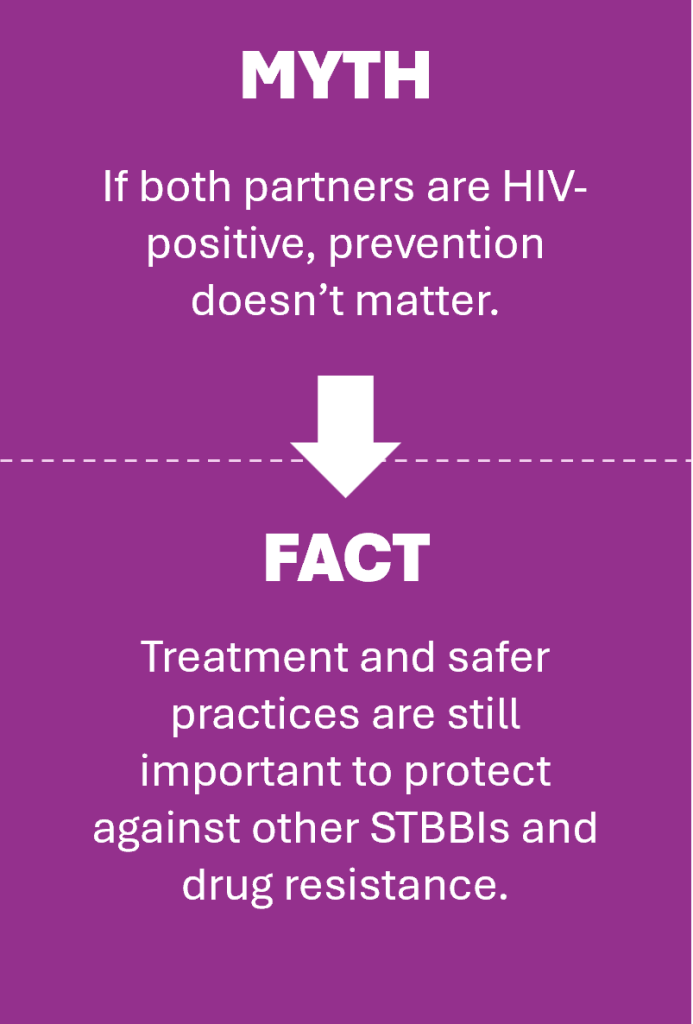
- Using condoms correctly and consistently during unprotected sexual activity where certain sexual activities that carry a higher chance of transmission are being engaged (see the Transmission section of this kit).
- Not everyone chooses to use condoms. When unprotected sex is involved, although being aware of a person’s HIV status through disclosure is moving toward prevention, on its own it is not a fully reliable prevention strategy. People may not know their current status, may be in the window period, or may not disclose.
- Regular HIV testing amongst people at higher risk is a prevention strategy because it helps people know their status early, connect to treatment, and reduce the chance of passing HIV to others.
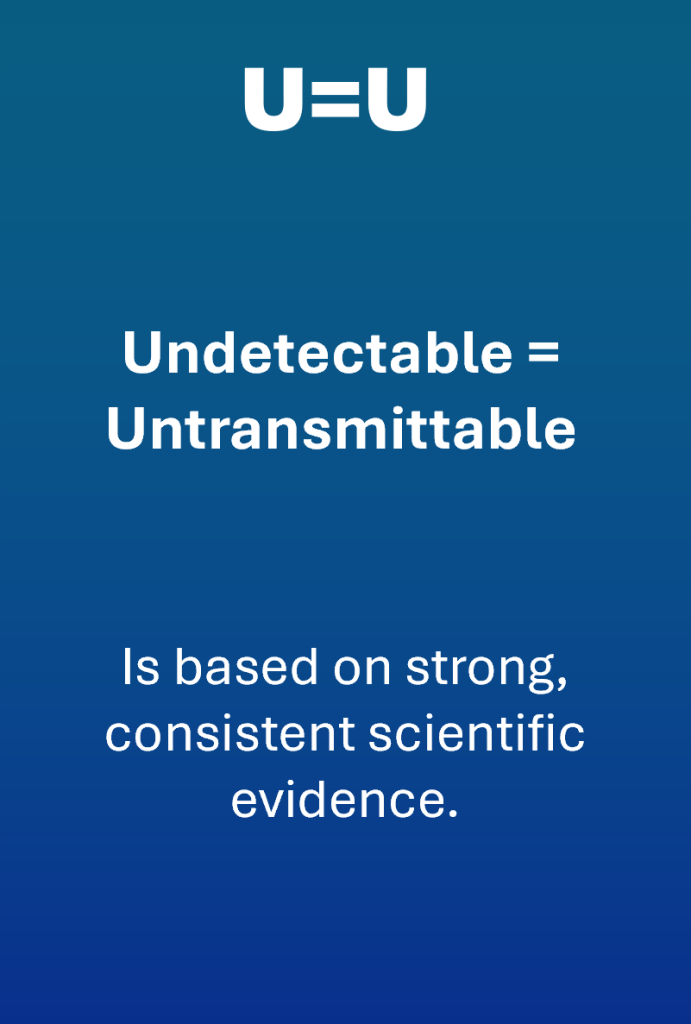
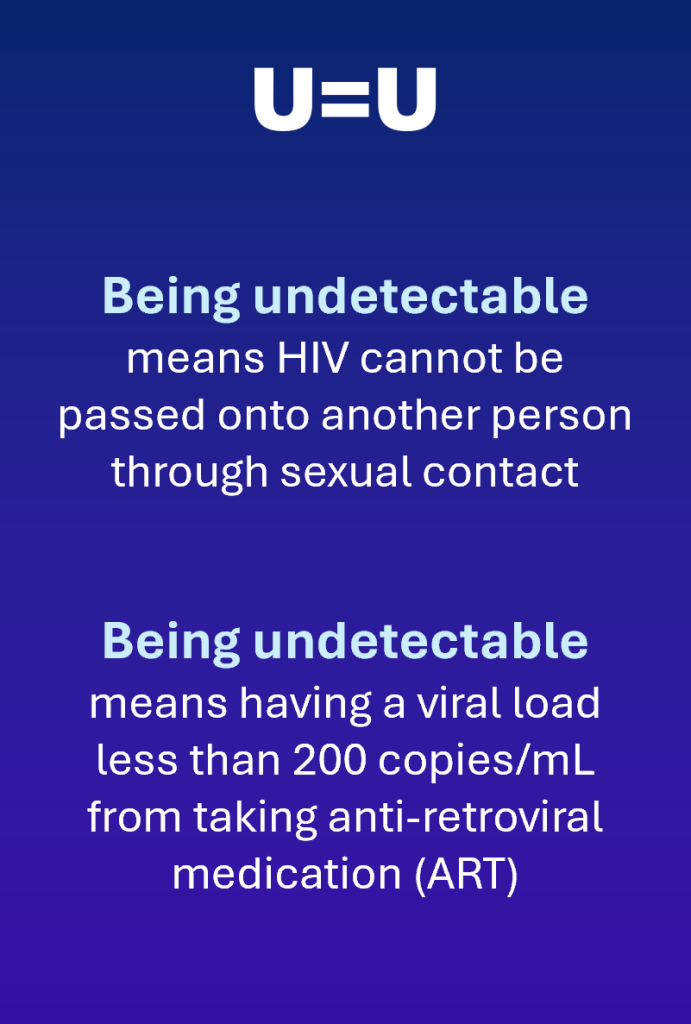
- When the person living with HIV is undetectable (U=U) by taking antiretroviral medication and achieving vial suppression, HIV is prevented during sexual contact.


Prevention Related to Drug Use
- Use new syringes with each injection and sterile gear/equipment. This is at the very core of harm reduction.
- Regular HIV testing amongst people at higher risk is a prevention strategy because it helps people know their status early, connect to treatment, and reduce the chance of passing HIV to others.
- HIV treatment can reduce the virus to an undetectable level, but U=U does not apply and does not replace the core strategy of PWID using new syringes. Even though a person is undetectable, there is still a risk in blood exposure when sharing syringes.
For All Focus Populations of HIV
- Treatment as Prevention (TasP) – Taking pre-exposure prophylaxis (PrEP) if you are HIV-negative and at risk. PrEP is medication taken regularly by someone who does not have HIV to prevent getting HIV before potential exposure.
- PEP (post-exposure prophylaxis) – After a potential exposure to HIV (within about 72 hours), PEP is a short course of medication that can be taken as soon as possible to prevent HIV infection.
- Ensuring that people living with HIV have access to effective treatment that prevents HIV from being passed on to another person supports prevention.
- Focusing on women, a strategy to prevent mother-to-child transmission is through the mother being on treatment during pregnancy and breastfeeding.



In British Columbia, any doctor or nurse practitioner licensed in the province can prescribe HIV Pre-Exposure Prophylaxis (PrEP). For most residents with MSP coverage, PrEP is available at no cost through the BC Centre for Excellence in HIV/AIDS (BC-CfE).
BC SURR Area Realities: Access to PrEP and PEP is often more limited in smaller urban, rural, and remote areas because of fewer trained providers, less available services, transportation barriers, stigma, and uneven awareness which means people may not be offered or able to access these prevention options when they need them.
EXPLORE MORE
Systematic review of the barriers for HIV testing in Canada; 2009-2019 (CCDR)
Tips for Safer Sex (Action Canada for Sexual Health & Rights)
Safer injecting and smoking supplies (CATIE) – Focusing in on people who use drugs, this web page functions like a directory of information summaries, guidelines or manuals, brochures, fact sheets, and infographics as downloadable PDFs
STBBI Prevention Guide (Government of Canada)
A Qualitative Study of Community-Based HIV/AIDS Prevention Interventions, Programs, and Projects for Rural and Remote Regions in Canada: Implementation Challenges and Lessons Learned (Journal of public health management and practice)
U=U Specific Resources:
Prevention Access Campaign (U=U)
U=U: A guide for service providers (CATIE)
The power of undetectable: How HIV treatment prevents transmission (CATIE)
PrEP and PEP Specific Resources:
Guidance for the use of PEP for HIV in BC (BCCfE)
HIV Pre-Exposure Prophylaxis (PrEP) (BCCfE)
HIV PEP for Consensual Sex and Drug Use – Healthcare Provider Support Tool (Health Initiative for Men)
Canadian Guideline on HIV PrEP and PEP (CATIE)
Strategies to overcome barriers and enhance PrEP adoption among primary care providers in urban–rural communities outside Canada’s major metropolitan areas (Journal of HIV/AIDS & Social Services) – Article
Barriers and facilitators of HIV pre-exposure prophylaxis (PrEP) uptake and use in Canada: a scoping review protocol (BMJ Open) – Article