
Back to: HIV Stigma Workshop Kit
Learning and practice builds knowledge and skill. Mapping out what that picture looks like for yourself carries you down a path that leads to being a stigma reduction expert. Designing a learning and practice path provides a plan for individuals and groups to grow expertise, apply it consistently, and support others in doing the same.
Why it matters – Reducing stigma requires more than good intentions, it takes knowledge, skill, and practice. Designing a learning and practice path provides a plan for individuals and groups to grow expertise, apply it consistently, and support others in doing the same.
How to do it
Learning and practice move a person from being able to simply remember information to creating stigma reducing strategies. Building true stigma reduction expertise along the way. The learning pathway that moves a person from the ability to REMEMBER information through to CREATING true value in harm reduction communities has different learning and practice area shown here:
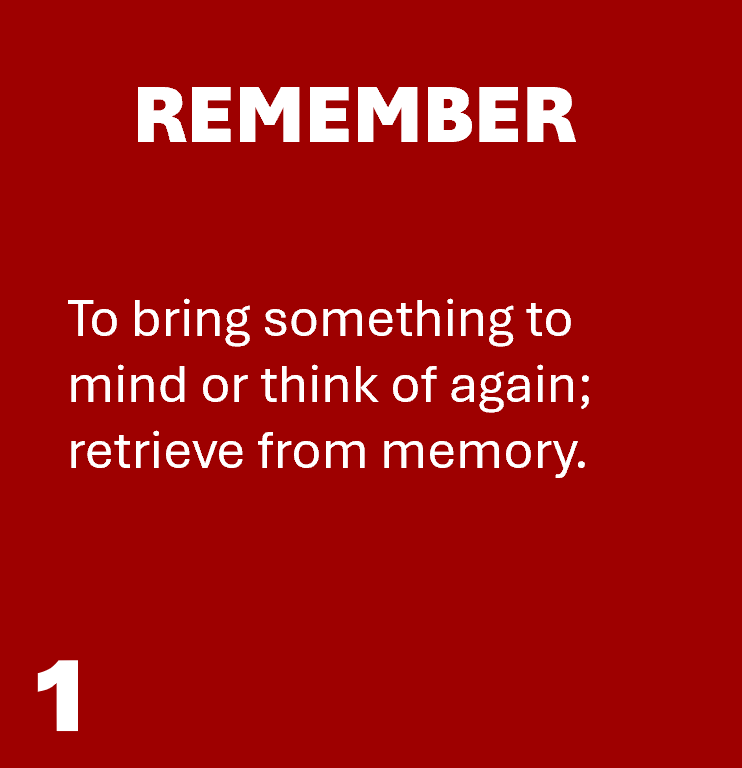
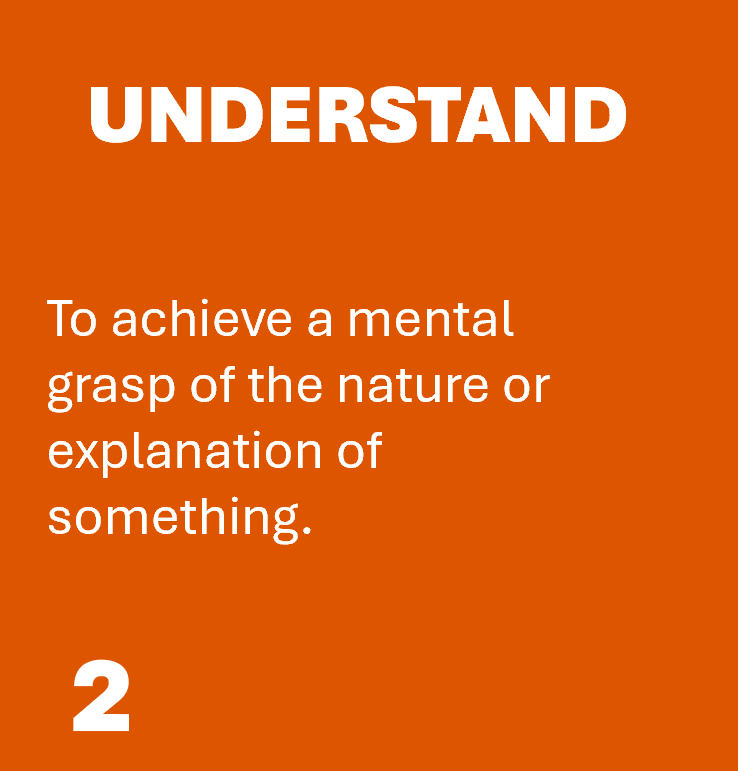
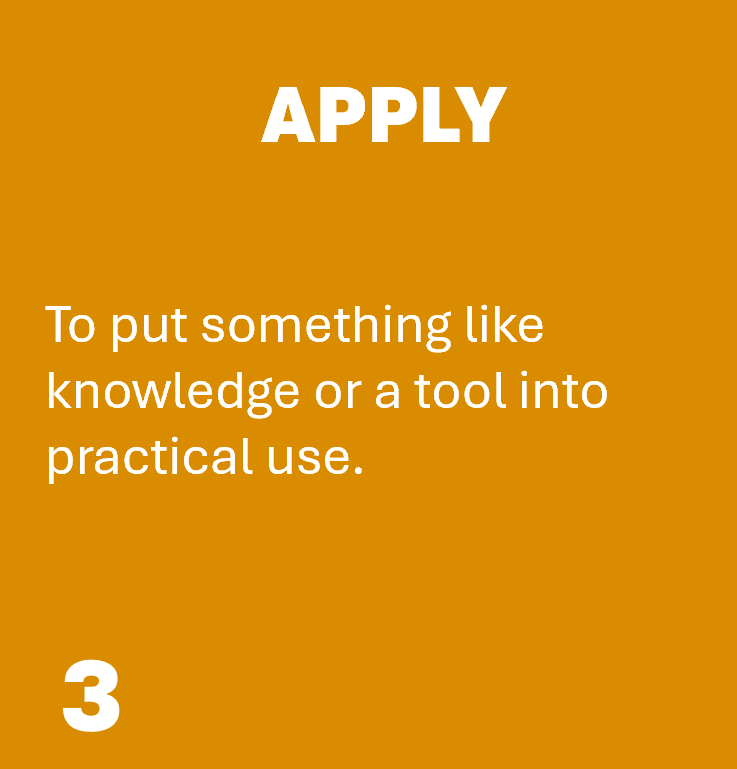
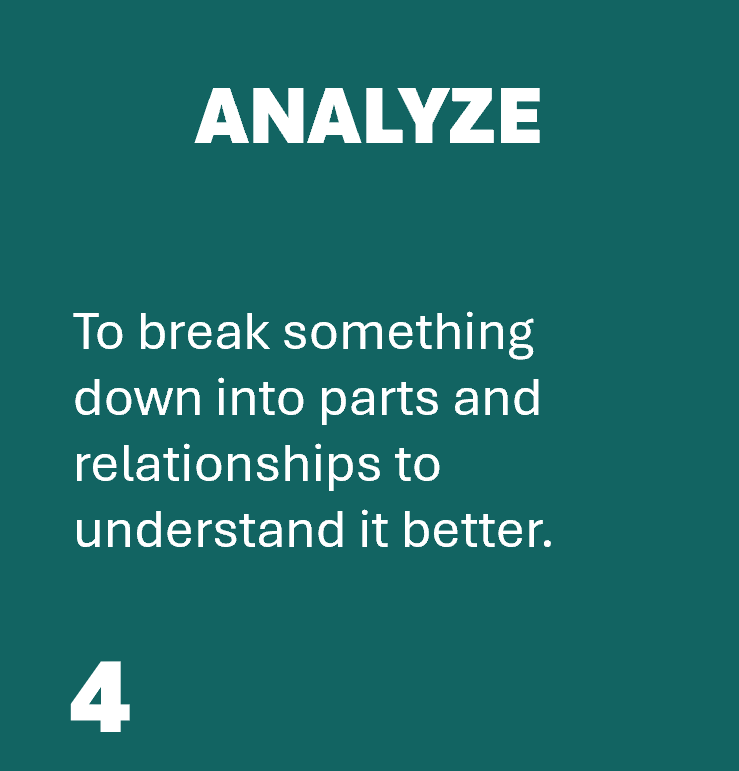


In the context of learning and practicing HIV stigma reduction, each area could have numerous learning outcomes that represents a person’s ability to REMEBER, UNDERSTAND, APPLY, ANALYZE, EVALUATE, and CREATE.
CLICK on each learning and practice area below to reveal examples of learning outcomes:
REMEMBER
- Recall key terms, basic definitions, concepts, and strategies related to stigma.
- Recall the 5 different types of stigma and their descriptions.
- Recognize the difference between concepts like biased-thinking, negative attitude, and discrimination.
- Recall common myths or misconceptions about HIV related to things like transmission.
- List intersecting groups most affected by HIV stigma in your community.
UNDERSTAND
- Explain what stigma means and how it can affect people accessing harm reduction services.
- Describe differences between the 5 types of stigma and how they might inter-relate.
- Interpret examples of stigma in harm reduction settings and describe their impact on care.
- Summarize why HIV-related stigma continues to be a barrier to prevention, testing, treatment, and ongoing care.
- Describe why language and tone matter in everyday communication and how they can either reduce or reinforce stigma.
APPLY
- Use respectful, stigma-free language in conversations surrounding HIV and other intersecting conditions.
- Respond to a stigmatizing comment with a constructive, non-shaming reply.
- Use different stigma-reducing approaches during a community member interaction.
- Practice active listening when someone shares their experience of stigma.
ANALYZE
- Identify points in a community member’s journey where stigma may be most likely to occur and the type(s) of stigma at play.
- Examine a community member’s unique “stigma mix” and apply a stigma reducing strategy.
- Detect underlying assumptions, stereotypes, or suspected causes of stigma in a situation.
- Distinguish between intentional and unintentional stigmatizing language in a conversation and respond accordingly.
EVALUATE
- Assess the effectiveness of a stigma-reduction workshop having participants do a survey.
- Determine through discussion what stigma reduction strategies work during outreach interactions.
- Gather input and stories from other people doing stigma reduction work in your community and prioritize the actions that work.
- Critique the policies and procedures in your organization or harm reduction group to judge whether they are stigma-reduction friendly.
CREATE
- Collaborate with community members to design an HIV stigma reduction path.
- Develop a workplace or community action plan to address specific forms of stigma.
- Design & deliver a training module, workshop, or discussion group on stigma for peers or staff.
- Produce a stigma-reduction guidebook that can be shared with other communities.
Engaging the different learning and practice areas isn’t a static sequence. It’s more musical and dynamic in nature, jumping around between the steps like playing piano keys. Sometimes the keys are being engaged in combination and sometimes solo.

EXPLORE MORE
Facilitating adult learning: Addressing stigma related to STBBIs (CPHA/C4S)
Exploring STBBIs and stigma: An introductory course for health and social service providers (CPHA)
HIV Principles and Stigma Reduction Training Curriculum (USAID/Staff of Health Policy Initiative)