
Back to: HIV Stigma Workshop Kit
The words we use and how we use them matter. Language can either reinforce stigma or help reduce it. Think about the difference between saying “HIV-infected person” versus “person living with HIV.” The first makes the condition the person’s entire identity, while the second keeps the person first. Also, body language eye contact, posture, and tone can communicate respect or stigma even when our words sound neutral.
Why it matters – Language matters because it can either create stigma or reduce it, and choosing our words and expressions carefully makes harm reduction services safer and more respectful for everyone.
How to do it
1. USE ACCURATE LANGUAGE
Using accurate language about HIV is important because it shapes how people understand the virus, how they feel about it, and how they respond to it in practice.
Clear, correct language helps ensure people have the right information about transmission, prevention, and treatment, which supports safer decision-making and better health outcomes. It also reduces confusion and misinformation that can lead to unnecessary fear.
Accurate language is also a key part of reducing stigma. Words that are outdated, judgmental, or imprecise can reinforce negative assumptions, while respectful and current language helps normalize HIV and supports dignity for people living with or affected by it.
Finally, it supports trust and consistency in care. When harm reduction workers use clear and accurate language, it builds credibility, makes conversations easier to engage in, and helps create a more open, supportive environment for discussing HIV.


2. USE PEOPLE-FIRST LANGUAGE
People-first language is a way of communicating that emphasizes the individual before their condition or identity, helping to reduce stigma and promote dignity. It focuses on describing people as individuals rather than defining them by a diagnosis or characteristic.
In the table below, compare the language that might be stigmatizing to the less stigmatizing language. Think about how that might play out in real life when delivering harm reduction care. This is simply one example of using people-first language. You can apply the same principle to many other aspects of a community member’s identity, condition, or life circumstance.
| POTENTIALLY STIGMATIZING | LESS STIGMATIZING |
| HIV-infected person HIV-positive person | Person living with HIV Individual with HIV |
| AIDS patient | Person with AIDS Person diagnosed with AIDS |
You can apply the same principle to many other aspects of a community member’s identity, condition, or life circumstance.
3. BODY LANGUAGE AND TONE
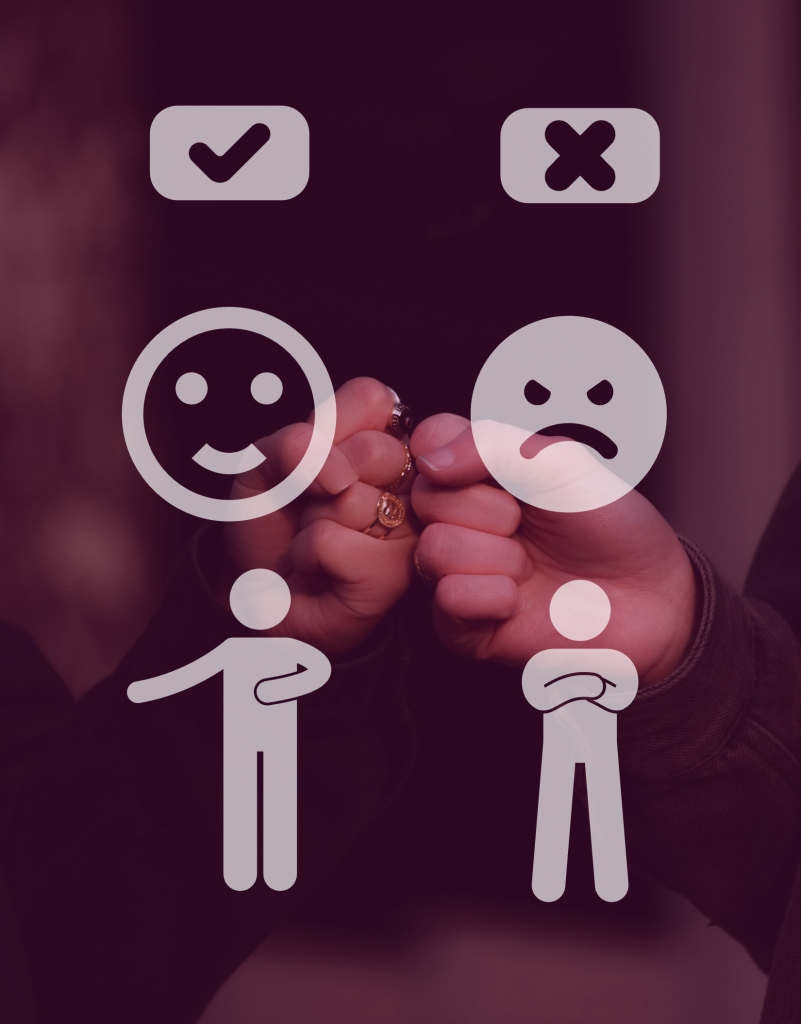
Ways to Use Body Language and Tone:
- Maintain open posture and comfortable eye contact (without staring).
- Use a calm, steady, and respectful tone of voice.
- Avoid sighs, eye-rolling, or physical distancing that signals discomfort.
- Check for alignment: make sure your words, tone, and body language all send the same message of respect.
- Match tone to situation
How Body Language and Tone Reduce Stigma:
- Communicates acceptance: nonverbal cues signal whether someone feels welcome or judged.
- Reinforces respect: tone of voice can convey compassion or condescension.
- Builds trust: consistent, calm, and open body language encourages people to engage.
- Prevents unintended stigma: even without words, negative signals can exclude or shame.
EXPLORE MORE
Terminology Guidelines (UNAIDS)
Language Matters (CPHA)
Overcoming Stigma Through Language: A Primer (CATIE/CAPSA)
8 Body Language Tips (Brightside)