
Back to: HIV Stigma Workshop Kit
Harm reduction is grounded in realism, compassion, and nonjudgmental support. It recognizes that people engage in behaviors for various reasons, and rather than demanding complete abstinence, perfection, or an unmanageable amount of life change it focuses on minimizing negative consequences and improving quality of life.
Harm reduction can be seen as the programs, services, policies, and practices that reduce the harm in people who are most negatively affected by things like:
- Toxic drug supply & overdose
- HIV, hepatitis C, and other STBBIs
- Lack of shelter, food, clothing
- Colonialism
- Stigma
In other words, harm reduction is inclusive of various forms of potential harm. And effective harm reduction delivery includes providing access to various groups of people like people who use drugs, live HIV or other STBBIs, are new to Canada, have incarceration experience, have sex work experience…among many other different type of people.
Mutual acceptance amongst people who deliver and receive harm reduction care is crucial to reducing the negative impacts of stigma.
Harm reduction embraces the idea that:

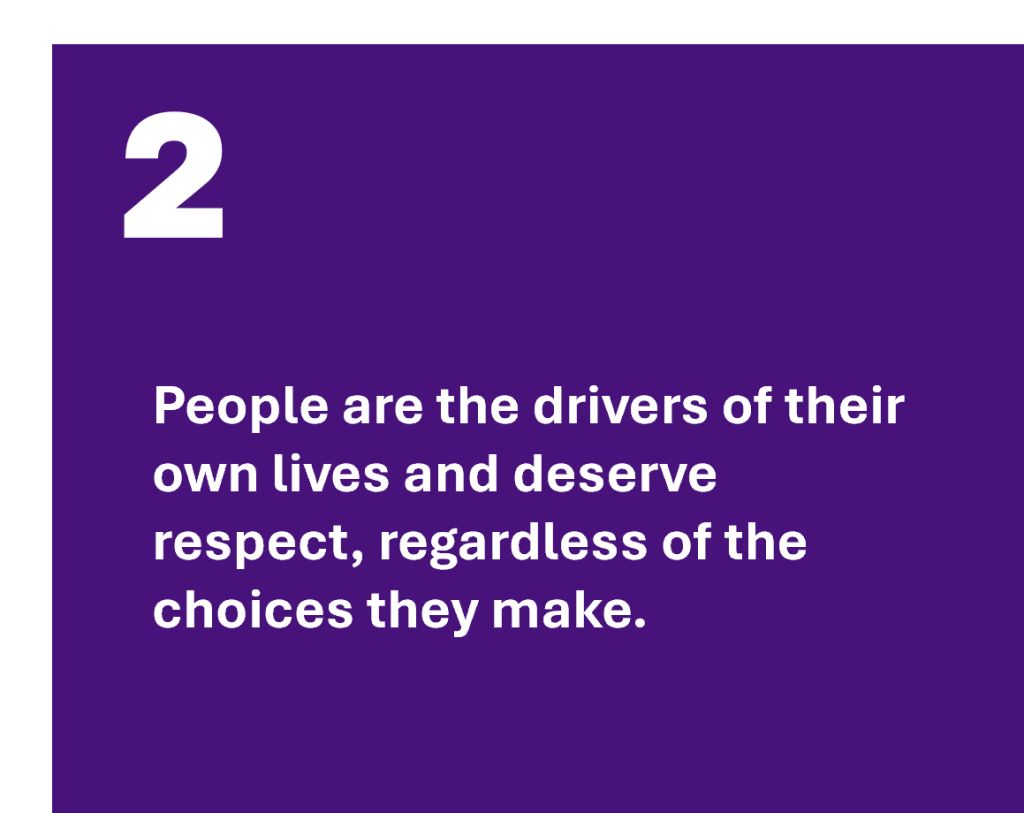
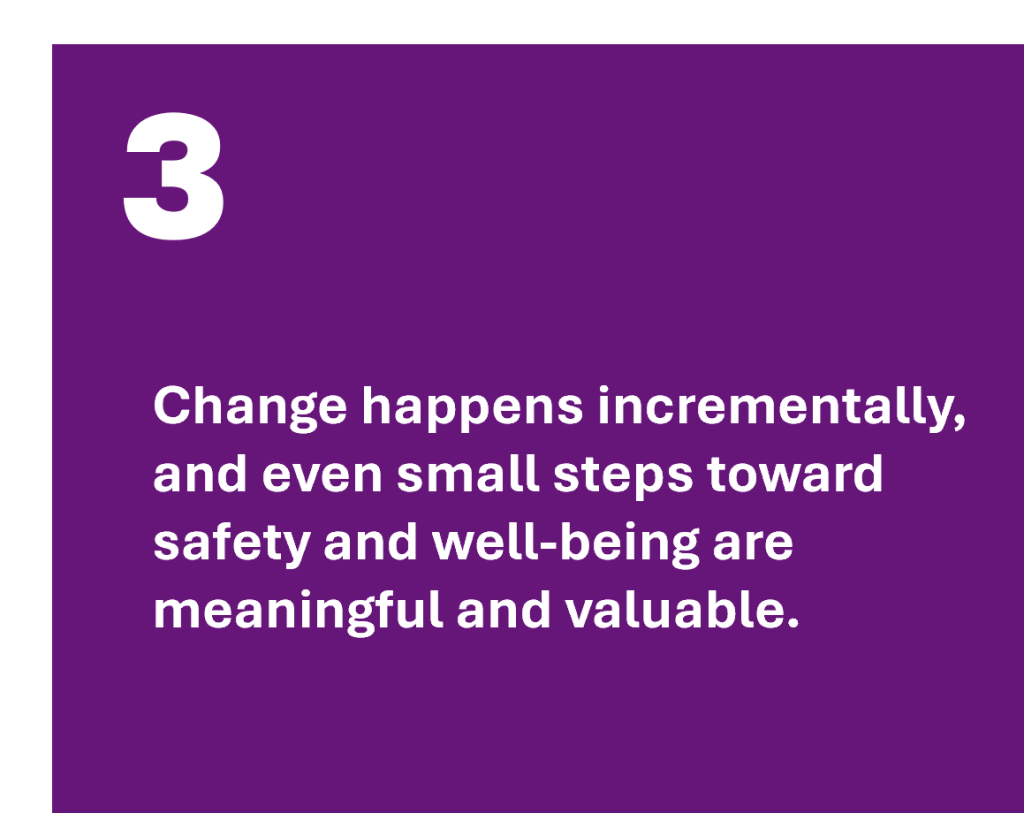
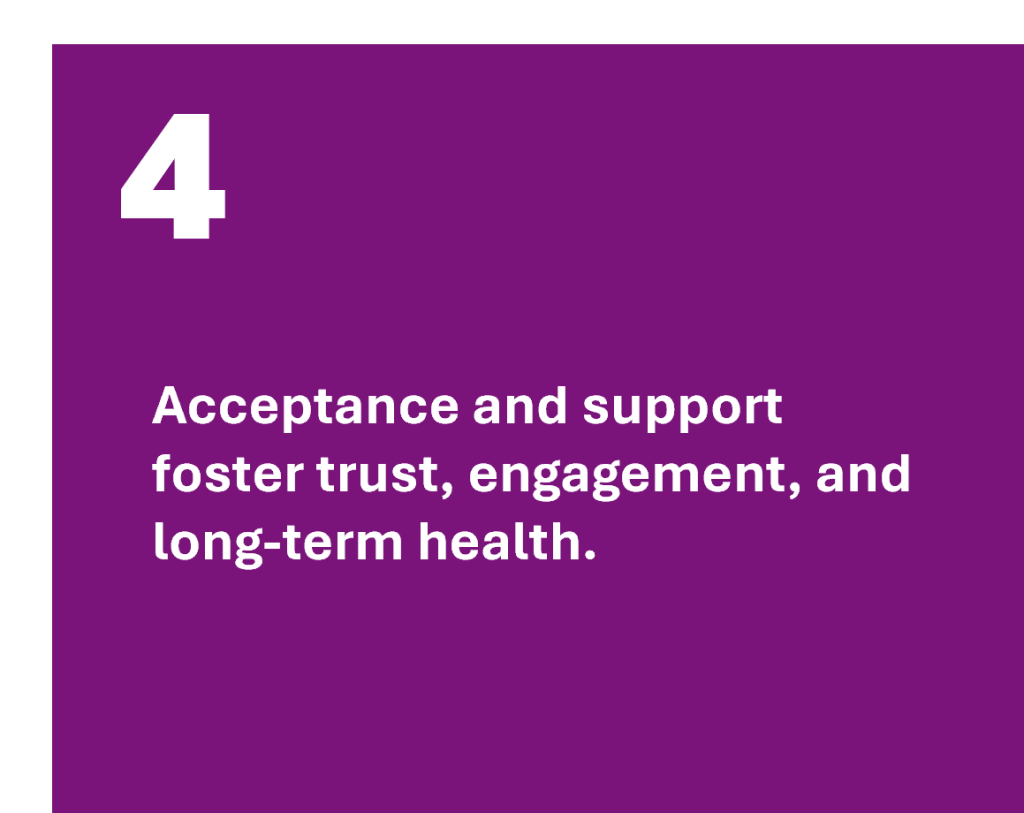
EXPLORE MORE
BC Harm Reduction Strategies and Services Policy and Guidelines – These guidelines support provincial harm reduction strategies and services pertaining to substance use and sexual health in collaboration with the British Columbia Centre for Disease Control’s (BCCDC’s) Harm Reduction Strategies and Services Program
Harm Reduction Toolkit – Ontario Federation of Indigenous Friendship Centres
Culturally Safe & Trauma-Informed Harm Reduction – Native Women’s Association of Canada
Harm Reduction Fundamentals: A toolkit for service providers (CATIE)