
Back to: HIV Housing Toolkit
BC Housing
Develops, manages and administers a range of subsidized housing options and programs across British Columbia.
Core Housing Assistance Programs
- Subsidized Housing: Long-term, below-market rent in public, non-profit, or co-op housing. Apply centrally via The Housing Registry.
- Rental Assistance Program (RAP): Monthly cash assistance for low-income working families with children to help with rent in the private market.
- SAFER (Shelter Aid For Elderly Renters): Monthly cash assistance for eligible B.C. residents aged 60 or older who pay rent for their private market homes.
- Supportive & Emergency Housing: Connects vulnerable individuals or those at risk of homelessness with shelter spaces, transition homes (including services for women leaving violence), and outreach workers.
Tenancy Rights and Disputes
If you are currently renting and have disputes, questions about lease agreements, rent increases, or evictions, these fall under the BC Residential Tenancy Branch (RTB). The RTB provides legal guidelines, forms, and dispute resolution services for both landlords and tenants.
Contact Information
- BC Housing (Assistance & Inquiries): Call 1-800-257-7756 (toll-free) or 604-433-2218, or visit BC Housing to explore specific eligibility requirements and to access the Program Upload Form for document submissions.
- Residential Tenancy Branch: Visit the BC Government Housing & Tenancy portal to access RTB contact information and regional office locations
BC Government Housing and Tenancy
A provincial information hub that provides guidance, programs, and legal resources related to renting, affordable and social housing, homeownership, homelessness, Indigenous housing, and tenant-landlord rights in British Columbia. It connects residents, service providers, and community organizations to information on residential tenancy laws, housing supports, dispute resolution, rent assistance, local government housing tools, and housing policy initiatives aimed at improving housing affordability, stability, and community well-being.
BC Rent Bank
When times are tough and you can’t pay your rent or utilities, rent banks are here to help—offering financial support and connection to resources that can help keep you housed.
Tenant Resource and Advocacy Centre
TRAC is a non-profit organization that provides free legal education, representation, and advocacy on residential tenancy matters. A leader in tenants’ rights since 1984, TRAC’s mandate is to enhance legal protections for all tenants living in British Columbia. They also provide a resource list of other organizations including ones that focus on rights and advocacy.

For Newcomers Who Are LGBTQIA+
Rainbow Refugees Sponsorship Program For LGBTQIA+ People – Through this program, LGBTQIA+ refugees gain assistance through funds for vital living
expenses such as daily necessities during the first 12 months following arrival. This initiative aims to support refugees in integrating into Canada without the overwhelming burden of financial instability.

For Indigenous People
Beyond urban areas such as Vancouver, Victoria, Prince George, and Kelowna, here are some other organizations. They are focused on affordable housing services with particular attention to Indigenous People for on and off-reserve services.
Aboriginal Housing Management Association (AMHA)
For Indigenous, By Indigenous housing authority established in Canada. AHMA members manage over 95% of all Indigenous housing units located off-reserve in BC serving over 10,000 Indigenous individuals and families living in urban, rural, and northern parts of the province. AHMA advocates broadly for Indigenous housing, provides operational guidance, conducts research, supports asset management, and much more.
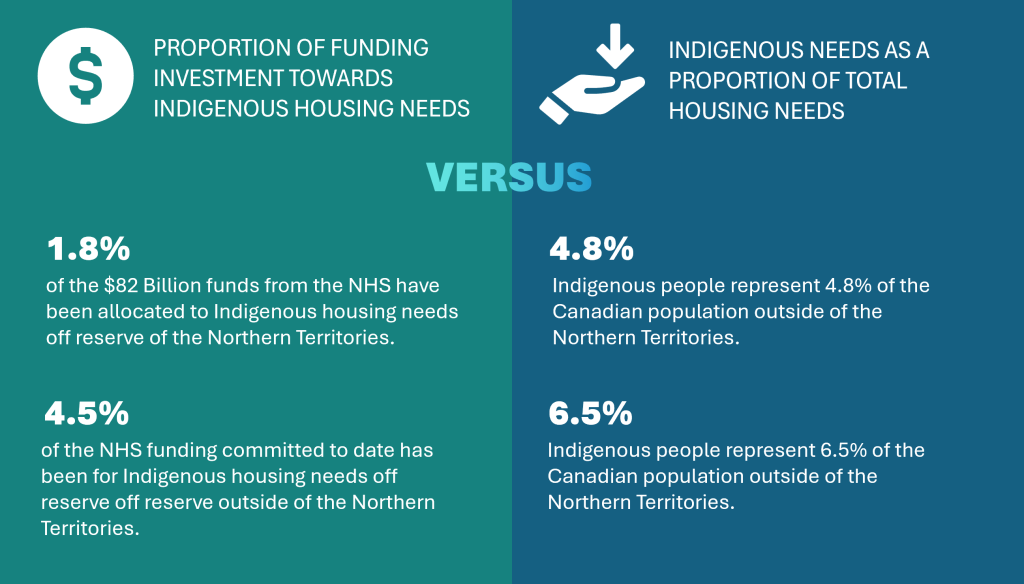
This informational table below provided by the Aboriginal Housing Management Association (AMHA) in their 2024 Indigenous community-led Provincial Urban, Rural and Northern Housing Strategy. This figure clearly outlines the federal and provincial gaps in housing services for Indigenous Peoples, most notably through the deficits within the National Housing Strategy.
BC Housing (On and Off-Reserve options)
This particular BC housing website includes off and on-reserve housing services for Indigenous Peoples in rural B.C. areas, including Chilliwack, Dawson Creek, Port Alberni, Kamloops, Prince George, Vernon, and Williams Lake.
Canadian Mental Health Association (CMHA) – Kootenays
The Canadian Mental Health Association (CMHA) Kootenays branch offers resources for improving mental health conditions, addressing mental illness, and facilitating community integration. CMHA provides addiction, housing, and wellness services in 100 locations in Canada, including rural British Columbia.

For People with Incarceration Experience
Community Transitional Care – BC Mental Health and Substance Use Services
Provides transitional and supportive housing for people leaving the forensic mental health system, including those on conditional discharge. Housing ranges from highly supported residential settings to semi-independent options and rent subsidies, combined with ongoing mental health treatment and supervision. These services support recovery, housing stability, and safe community reintegration for people with complex forensic mental health needs.
Connective Support Society
Connective helps people with incarceration experience secure housing and supports before and after release from custody. Through pre-release planning, community reintegration services, and residential programs such as halfway houses, they provide structured housing, supervision, and connections to services that help people transition successfully back into the community and maintain longer-term housing.
John Howard Society of BC
The John Howard Society of BC supports people with incarceration experience by providing transitional and supportive housing, including programs specifically for people leaving correctional facilities. They help individuals secure and maintain housing, connect with community supports, and build skills for independent living through case management and wraparound services. Their reintegration programs also offer pre-release planning, community-based residential facilities, and ongoing support to help people transition successfully back into the community.
Unlocking the Gates
Since inception, Unlocking the Gates Services Society has provided support to individuals leaving correctional facilities in British Columbia. UTG Peer Mentors connect with individuals during their stay in custody to help with pre-release planning and offer peer support during the transition days following release.